LED Supplier Checklist: 10 Points to Check Before You Sign
Use this LED supplier checklist to verify factory capability, warranty terms, and quality control standards. Review each point to avoid defective modules, poor after-sales support, and hidden costs during the procurement process.
- Verify factory production lines and testing stations before committing to a contract
- Confirm warranty terms cover driver boards and power supplies, not just panels
- Request sample units from the final production batch, not just showroom stock
- Check if the supplier provides real-time monitoring or remote diagnostics for commercial installations
- Review escrow or milestone payment structures to protect funds during long production cycles
Why Most Suppliers Fail Post-Delivery
You will rarely find a supplier that provides a broken screen on day one. The problem appears months later. A driver board fails. A power supply overheats. A pixel module degrades under constant sunlight. The supplier disappears or charges you a premium for replacement parts.
The selection process must focus on what happens after the contract is signed. A vendor review covers factory infrastructure, material sourcing, and support structures. This checklist covers ten points that separate reliable manufacturers from resellers with no production capability.
1. Production Capacity and Factory Ownership
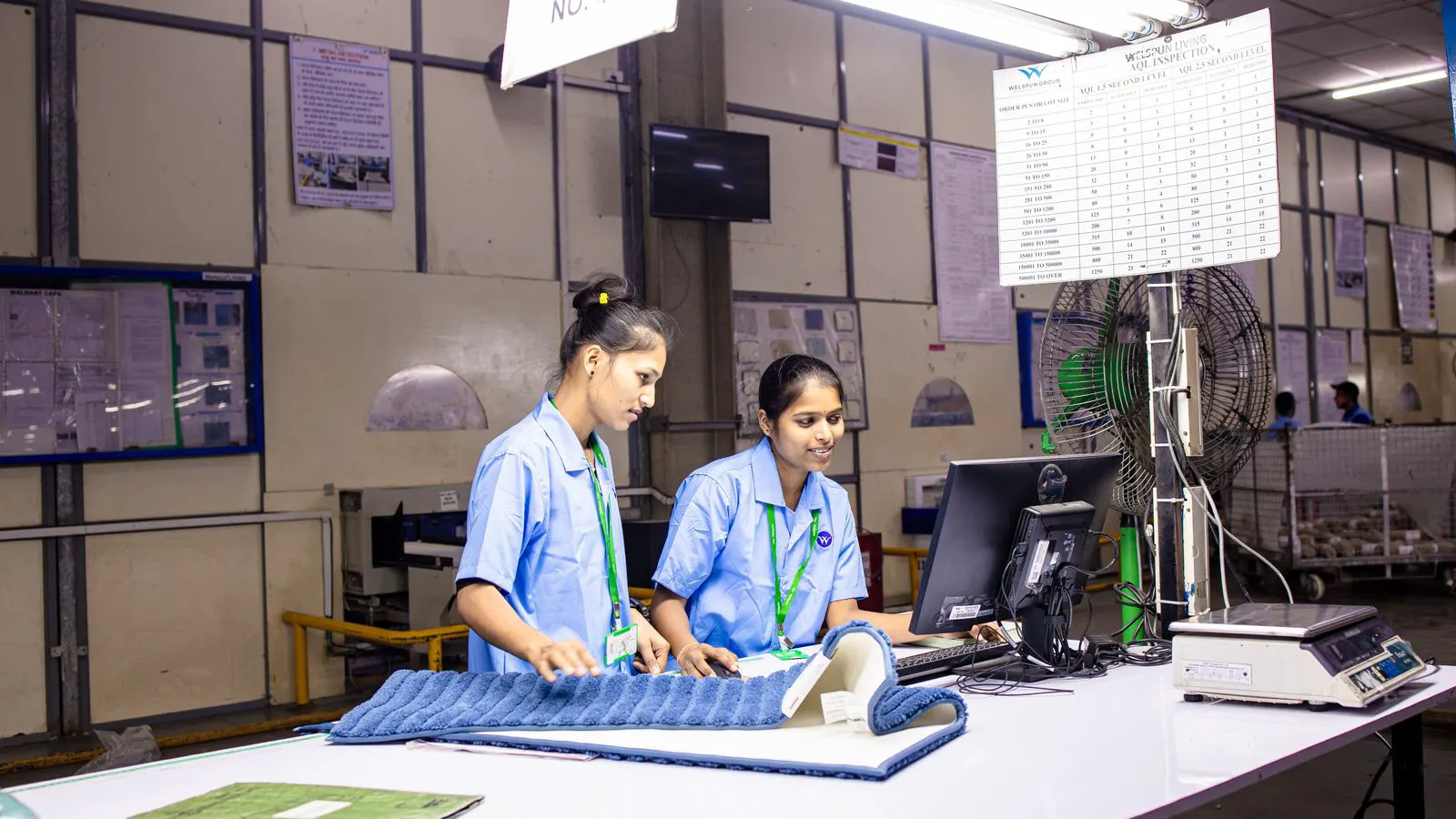
Walk the factory floor if possible. If remote, request a live video tour of the assembly line. Count the number of soldering stations. Check the number of workers per shift. A supplier claiming to produce ten thousand square meters per month needs the space and staff to match.
Green flags:
- SMT lines for driver board assembly are visible
- Aging stations for LED modules are clearly marked
- Factory layout shows separation between raw material storage and final QC
Red flags:
- The supplier is a trading company with no visible warehouse
- Production claims exceed the physical space available
- The facility is shared with unrelated electronics manufacturing
2. LED Die Source and Luminous Efficiency
Ask where the LED chip die comes from. Major suppliers use dies from established semiconductor manufacturers. The die determines the base luminous efficiency and color consistency. A supplier who cannot name the die source is hiding a quality gap.
Check the color gamut and brightness specs in the technical datasheet. Compare the datasheet against the physical sample. If the datasheet claims 1000 nits but the sample shows 600 nits after one hour, the specs are inflated.
Green flags:
- Datasheet lists the die manufacturer and part number
- Luminous efficiency is measured at 25°C with documented test conditions
- Color temperature spread across modules is under 200K
Red flags:
- The supplier offers “high brightness” without specifying measurement conditions
- No information on the LED die origin
- Brightness specs vary between the datasheet and the sample unit
3. Driver Board Quality and Thermal Design
The driver board controls brightness, color, and refresh rate. A cheap board will fail before the LED die does. Check the board material. A high-quality driver uses a thick copper layer and a heat sink or thermal pad.
Look at the solder joints. Cold solder joints crack under thermal cycling. Ask for a sample of the board and inspect the backside. If the solder looks shiny and convex, the process is correct. If it looks dull or concave, the reflow oven is not calibrated properly.
Green flags:
- Board material is FR-4 or better with a heat sink
- Solder joints are uniform and convex
- The board includes a thermal pad between the IC and the heat sink
4. Power Supply and Protection Circuitry
A power supply failure is the most common cause of total module failure. Ask about the power supply brand and efficiency rating. A supply with 85% efficiency will run hot. A supply with 92% efficiency runs cooler and lasts longer.
Check the protection circuitry. Look for overcurrent protection, short circuit protection, and reverse polarity protection. A supplier who cannot explain the protection features is selling a risk.
Green flags:
- Power supply efficiency is 90% or higher
- Protection circuitry is documented in the technical manual
- The power supply has a thermal cutoff
Red flags:
- No information on power supply brand or efficiency
- Protection features are vague or missing
- The power supply has no thermal management
5. Module Construction and Sealant Quality
The module housing protects the LED die from moisture and impact. Check the sealant. A poor sealant will crack within two years, letting moisture into the die. Use a moisture test. Put the module in a sealed bag with a desiccant for 48 hours. If condensation appears inside, the seal is failing.
Check the bezel material. Aluminum is standard. Plastic bezels warp in heat. If the supplier offers a plastic bezel for outdoor use, walk away.
Green flags:
- Sealant is UV-stable and flexible
- Bezel is aluminum or equivalent metal
- Module passes a 48-hour moisture test
Red flags:
- Sealant is hard and brittle
- Bezel is plastic for outdoor use
- Module fails the moisture test
6. Quality Control and Testing Stations
A reliable supplier has a QC station that tests every module before it leaves the factory. Ask what tests are performed. The minimum should include a pixel failure test, a brightness uniformity test, and a color temperature test.
Request a sample of the QC report. If the report is generic or missing, the supplier is not testing every unit. A supplier who tests only a sample of the batch is taking a risk.
Green flags:
- Every module is tested for pixel failure
- Brightness uniformity is measured across the module
- QC report is provided with each batch
Red flags:
- Only a sample of the batch is tested
- No QC report is provided
- The supplier cannot explain the test procedure
7. Warranty Terms and Replacement Parts
The warranty is your safety net. Read the terms. A standard warranty covers the LED die. A good warranty covers the driver board, power supply, and module housing. Ask how long the warranty is. A one-year warranty is standard. A two-year warranty is better. A three-year warranty is excellent.
Ask about replacement parts. If a driver board fails, can you get a replacement in 48 hours? Or will it take three weeks? A supplier who cannot provide replacement parts quickly is not a supplier.
Green flags:
- Warranty covers driver board, power supply, and module
- Replacement parts are available within 48 hours
- Warranty is transferable to the end user
Red flags:
- Warranty covers only the LED die
- Replacement parts take weeks to ship
- Warranty is not transferable
8. After-Sales Support and Remote Diagnostics
A supplier that vanishes after delivery is a liability. Ask about their support structure. Do they have a support team in your region? Can they provide remote diagnostics? Can they send a technician on site?
Ask for a sample support response. Send an email with a technical question. Measure the response time. If the response is more than 24 hours, the support structure is weak.
Green flags:
- Support team is available in your region
- Remote diagnostics are available
- Support response time is under 24 hours
Red flags:
- Support is only available in the supplier’s home country
- No remote diagnostics
- Support response time is over 48 hours
9. Payment Structure and Escrow
Never pay 100% upfront. Use a milestone payment structure. A typical structure is 30% deposit, 50% before shipment, 20% after inspection. Use an escrow service if possible. An escrow service holds the funds until the goods are verified.
Ask for a letter of credit if the amount is large. A letter of credit is a bank guarantee. It protects both parties. A supplier who refuses a letter of credit or escrow is taking a risk.
Green flags:
- Payment structure is 30/50/20
- Escrow or letter of credit is accepted
- Payment is tied to milestones
Red flags:
- 100% upfront payment is required
- No escrow or letter of credit
- Payment is not tied to milestones
10. Sample Unit and Final Batch
Always request a sample unit. Do not accept a sample from the showroom. Request a sample from the final production batch. The showroom unit is a marketing tool. The production batch is what you will receive.
Compare the sample to the datasheet. Check the brightness, color temperature, and pixel failure rate. If the sample does not match the datasheet, the production batch will not either.
Green flags:
- Sample is from the final production batch
- Sample matches the datasheet
- Sample passes all QC tests
Red flags:
- Sample is from the showroom
- Sample does not match the datasheet
- Sample fails QC tests
Quick Reference Table
| Check Point | Green Flag | Red Flag |
|---|---|---|
| Factory ownership | Visible SMT lines and QC stations | No visible factory or shared space |
| LED die source | Named die manufacturer and part number | No die source information |
| Driver board | FR-4 material with heat sink | Thin board with no thermal management |
| Power supply | 90% efficiency with protection circuitry | No efficiency rating or protection |
| Module sealant | UV-stable and flexible | Hard and brittle sealant |
| QC process | Every module tested with report | Only sample tested, no report |
| Warranty | Covers driver, power, and housing | Covers only LED die |
| Support | Remote diagnostics and regional team | No support or slow response |
| Payment | 30/50/20 with escrow | 100% upfront, no escrow |
| Sample | From final batch, matches datasheet | From showroom, does not match |
Final Steps
Run through this LED supplier checklist before signing. Print it. Mark each item as verified, partial, or failed. If three or more items are failed, do not sign. If one item is failed, negotiate a correction. If all items are verified, proceed with a milestone payment structure and an escrow service.
The goal is not to find the cheapest supplier. The goal is to find a supplier who will still be around when the first driver board fails. A reliable supplier saves you money in the long run. A cheap supplier costs you more in replacement parts, downtime, and support fees. Use this LED quality check process to protect your investment.
Frequently asked questions
How do I verify a supplier's factory claims?
Request a live video tour of the assembly line. Count the soldering stations and QC stations. Verify the production capacity matches the physical space and staff count.
What is the minimum warranty I should accept?
A one-year warranty covering the LED die is standard. A two-year warranty covering the driver board and power supply is better. A three-year warranty is excellent.
Should I pay 100% upfront?
No. Use a 30/50/20 milestone payment structure with an escrow service. This protects your funds until the goods are verified.
What if the sample does not match the datasheet?
Do not proceed. The production batch will not match the datasheet either. Request a correction or walk away.
How do I test the module sealant?
Put the module in a sealed bag with a desiccant for 48 hours. If condensation appears inside, the seal is failing. Do not accept the module.