Buying Guide: Finding a Certified LED Display Supplier

Validate an LED manufacturer by auditing factory certifications, inspecting quality control workflows, and reviewing compliance documents. This guide outlines the specific steps to confirm a supplier can build and ship display systems that meet project requirements.
- Request third-party audit reports and verify factory certifications directly with the issuing bodies.
- Inspect the quality check process from incoming raw materials to final pixel-level testing.
- Review warranty terms and after-sales support channels before signing a purchase order.
- Match supplier production capacity and material sourcing to your specific project timeline.
- Use a structured checklist to document every verification step before committing to a contract.
Start with Third-Party Audits and Certifications
A factory certificate on a brochure is a claim. A third-party audit report is evidence. Before you contact a supplier for a quote, identify whether they hold recognized industry certifications for their production facilities. Look for documents issued by accredited testing bodies that cover electrical safety, environmental compliance, and material handling.
Do not accept a copy of a certificate without checking the serial number against the issuing body. Some certificates cover specific product lines only. A factory may hold a general quality management certification while a specific display model fails to meet the required electrical standards.
Ask for the audit scope. If the report covers only the warehouse and not the assembly line, it does not prove the manufacturing process is controlled. You want documentation that touches the entire production cycle. The audit should name the specific product categories tested. If the report is older than two years, request a recent follow-up. Certificates expire, and audit results change after a factory upgrades its production equipment.
When reviewing an electrical safety report, look for references to low voltage safety or high voltage safety testing, depending on the display power architecture. If the display uses a high voltage power supply, the audit must verify the isolation and grounding of the control boards. This protects the installers and the viewers. An environmental audit may cover the use of hazardous substances in the solder paste and the enclosure material. If the project is for a public building, these compliance documents often form part of the bid submission. Ask the supplier to provide the original PDF with the issuing body’s logo and signature. If the document lacks the issuing body’s contact information, treat it as unverified.
Verify the Quality Check Process
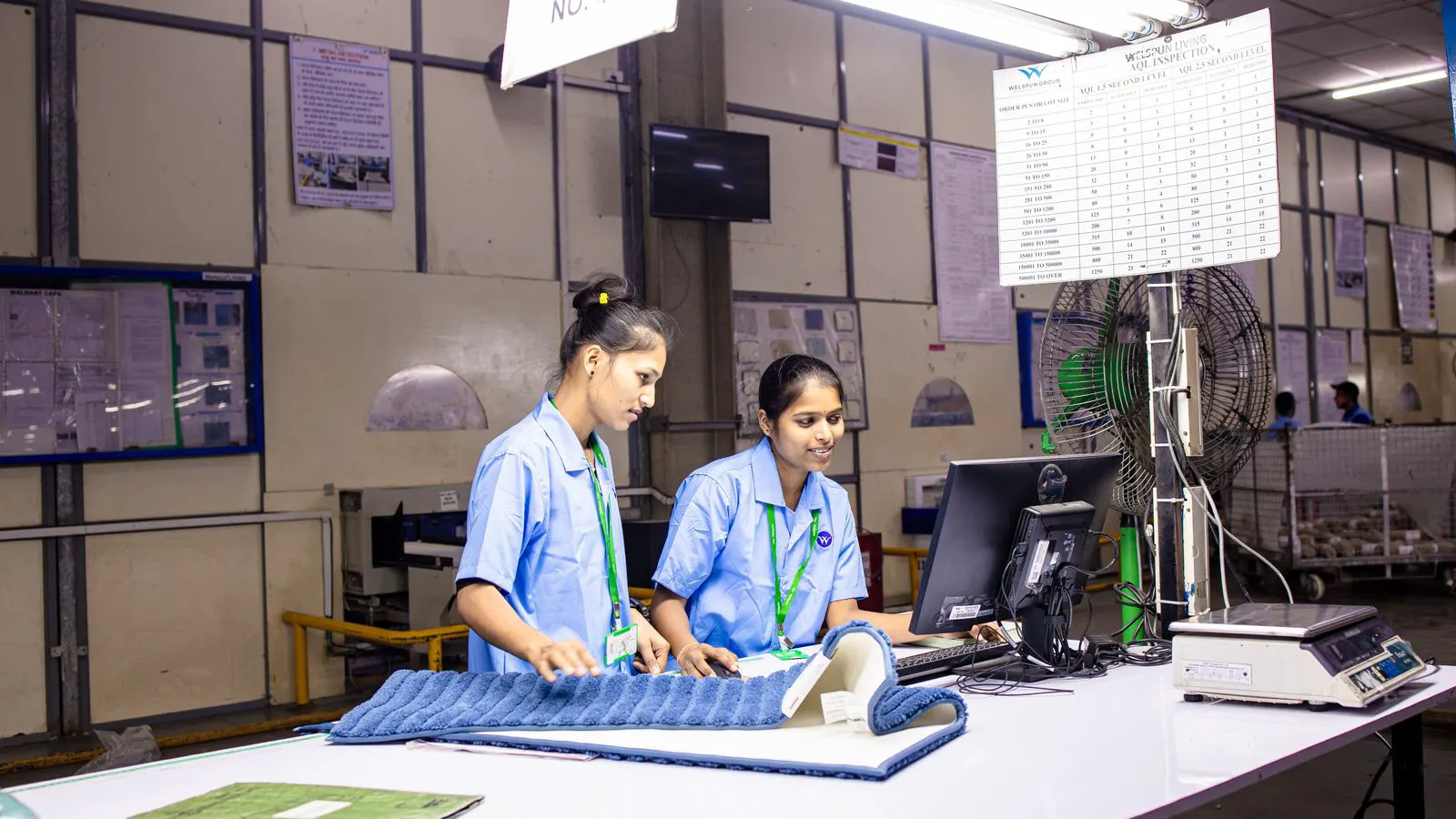
An LED quality check is not a single event. It is a series of inspections at different stages of production. Ask the supplier to walk you through their testing workflow. They should be able to describe what happens to each module after it leaves the soldering station.
The process typically includes visual inspection, electrical continuity testing, and pixel-level brightness verification. Each stage should have a documented pass or fail standard. If a technician finds a dark pixel, what is the replacement protocol? Does the module go back to the start of the line, or is it reworked in place?
Request photos of the testing equipment. A digital multimeter is useful for basic voltage checks. A pixel tester or automated optical inspection system shows a higher level of control. The more automated the check, the less likely a human error will slip into the final shipment. Ask how many modules they test per hour. If the number is too high, the inspection may be rushed. If it is too low, production capacity may be limited.
A good supplier will describe the incoming material check as well. They should test the LED chips for current draw and the driver boards for solder joint integrity before assembly begins. If the supplier only tests the finished product, defects in the raw materials may persist through the entire build. Ask for their defect rate data. A low defect rate is a sign of consistent process control. If the defect rate is high, the final product may rely on manual sorting, which is slower and less reliable.
The pixel-level test is critical for high-resolution displays. A single dark pixel in a small indoor screen is often acceptable. In a large outdoor video wall, a dark pixel is a visible flaw. Ask how the supplier tests uniformity. Do they compare the brightness of each pixel against a standard value? Do they use a colorimeter to check for color shifts? The testing method determines whether the final display will look consistent from every viewing angle.
Match Materials and Components to Your Project
The quality of the final display depends on the source of the LED chip, driver board, and housing material. Ask the supplier for the bill of materials. They should be able to name the chip manufacturer and the driver board supplier. If they cannot provide these names, the material quality is likely inconsistent.
Driver boards are a common failure point. A cheap driver may work for a short period and then fail under heat. Ask about the thermal rating of the components. The supplier should be able to explain how they test the boards under load. A good manufacturer will run a burn-in test on a percentage of units before final packaging.
Housing material affects outdoor performance. Aluminum extrusion is standard for fixed installations. For outdoor use, the housing must meet the required protection rating against dust and water. Ask for the IP rating test report. The report should show the test duration and the specific conditions used. If the supplier cannot provide a test report for their housing, ask how they verify the rating for each batch.
The LED chip itself determines the lifespan and energy efficiency of the display. Ask about the die size and the phosphor type for white LEDs. Smaller dies generally offer higher efficiency and better heat dissipation. The phosphor coating affects the color rendering. Ask for the CRI rating if the display will be used for advertising or digital signage where color accuracy is required. A low CRI display may look acceptable in a dark room but will appear dull and flat in bright daylight.
The driver board also determines the brightness uniformity and the refresh rate. Ask about the number of driver ICs per module and their thermal management. A board with poor heat sinking will degrade faster in a hot environment. The supplier should be able to provide the thermal profile of the board under maximum load. If they cannot, they may not have the data to support the warranty.
Review Production Capacity and Lead Times
A certified factory can still fail to meet your deadline. Check their production lines. Ask how many modules they assemble per week. If your project requires a large number of units, confirm whether they have the space and equipment to handle it.
Lead times vary by season and by component availability. Ask for a realistic timeline from order placement to shipment. Break the time into stages. How long does material procurement take? How long is assembly? How long is final testing? A supplier who gives a single number is not being transparent.
If the supplier is a small workshop, their lead time may be longer but their flexibility may be better. If the supplier is a large factory, their lead time may be shorter but their minimum order quantity may be higher. Match the supplier’s structure to your project size. Do not buy from a large factory if you need a small custom run with tight changes. Do not buy from a small workshop if you need thousands of units delivered in one week.
Ask about their buffer stock. Do they keep a supply of common components like power supplies and cables? If they do, they can ship faster because they do not have to wait for raw materials. If they do not, every order starts from scratch. This is a key difference between a supplier who can handle urgent orders and one who cannot.
Also ask about their packaging process. A large order requires significant packaging time. If the supplier has a dedicated packaging line with automated taping and palletizing, they can handle bulk orders faster. If they use manual packaging, the timeline will extend. Confirm how they protect the modules during shipping. Use of corner protectors and moisture-absorbing bags is standard for outdoor displays. Without these, the modules may arrive damaged.
Check After-Sales Support and Warranty
A warranty is a promise, but it is only as good as the support behind it. Read the warranty document carefully. Does it cover the LED chip, the driver board, and the housing? How long is the coverage for each part? Some suppliers offer a two-year warranty on the whole display and a one-year warranty on the power supply.
Ask what happens if a module fails after installation. Will the supplier send a replacement? How fast? Do they have spare parts in a local warehouse? If the supplier is overseas, shipping time becomes a major factor. A two-week replacement window is acceptable for a non-critical installation. It is not acceptable for a public venue that must operate every day.
Request a list of their support channels. Is there a technical support line during business hours? Is there a local service partner? A supplier that only communicates through email may take days to answer a simple question. You want a response time that matches your operational needs.
The warranty terms should also define what is excluded. Does the warranty cover damage from overvoltage? Does it cover damage from water ingress if the housing is damaged during installation? If the warranty is voided by minor issues like a bent cable, the terms are too strict. A fair warranty covers manufacturing defects and excludes damage caused by improper installation or environmental factors beyond the housing rating.
Ask about the return process. If a module fails, does the supplier require a Return Material Authorization? How long does the process take? A supplier with a simplify RMA process will save you time and money. A supplier with a complex process will add friction to every repair.
Use a Structured Supplier Evaluation Checklist
The criteria below summarize the key points to verify before you sign a contract. Use this table as a baseline for your evaluation.
| Criterion | What to look for | Why it matters |
|---|---|---|
| Third-Party Audit | Current report with serial number verification | Proves the facility meets recognized safety and quality standards |
| Quality Control Workflow | Documented steps from incoming parts to final test | Ensures defects are caught before shipment |
| Component Sourcing | Named chip and driver board manufacturers | Guarantees consistent material quality and traceability |
| Thermal Testing | Burn-in test data and thermal rating reports | Prevents early failure under operating heat |
| Housing Compliance | IP rating test report with specific conditions | Confirms the display survives outdoor or harsh indoor environments |
| Support Channels | Local service partner or defined response time | Reduces downtime when a module fails in the field |
Final Decision Checklist
Run through this list before you issue a purchase order.
- Have you verified the factory certification serial number with the issuing body?
- Have you reviewed the quality check workflow and seen photos of the testing equipment?
- Do you have the bill of materials with named component manufacturers?
- Have you confirmed the production capacity matches your order size?
- Is the lead time broken into procurement, assembly, and testing stages?
- Have you read the warranty terms for each component part?
- Do you have a clear support channel with a defined response time?
- Have you documented all answers in a written supplier evaluation form?
If you cannot check all of these boxes, do not proceed. A supplier who resists providing documentation is a red flag. A supplier who provides the documents and answers the questions directly is ready for your project. Use the information to make a decision based on evidence, not on price alone. A cheaper unit that fails in six months costs more than a higher quality unit that lasts for years.
Frequently asked questions
How do I verify if an LED manufacturer holds a valid factory certification?
Request the certificate with a serial number and contact the issuing body to confirm the status. Check the audit scope to ensure it covers the specific product line you need.
What is the difference between a quality check and a quality control process?
A quality check is a single inspection point. A quality control process is the entire sequence of inspections from raw material intake to final shipment.
Why is the driver board important in an LED display?
The driver board controls power distribution to each LED. A low-quality board can fail under heat, causing pixel failures and uneven brightness.
How do I know if a supplier can meet my deadline?
Ask for a timeline broken into procurement, assembly, and testing stages. Compare their weekly production capacity to your order size.
What should I look for in an IP rating test report?
Look for the specific test duration, the water pressure used, and the dust particle size tested. The report should match the IP rating claimed on the product.