Cost and Lead Time: Importing LED Panels from Asia
Total cost depends on panel type, shipping method, and port fees. Lead time includes production and transit. A clear RFQ helps you get accurate quotes. You can compare landed costs fairly by standardizing specifications. This guide explains the factors.
- Total cost includes panel price, freight, duties, and inland delivery.
- Lead time covers production, quality check, and ocean transit.
- Standardizing your RFQ allows for fair comparison of quotes.
- Shipping method choice significantly impacts both cost and delivery speed.
- Always verify the total landed cost before signing a purchase order.
What Drives the Total Landed Cost
The sticker price on a video wall module is only the first number. The final amount that leaves your bank account includes freight, insurance, customs duties, and inland transport. This total is called the landed cost. For international buyers, the gap between the factory price and the landed cost can be substantial.
Panel specifications drive the base price. Resolution, brightness, pixel pitch, and panel type all matter. A high-resolution LED panel costs more than a standard display. Outdoor units with higher brightness levels also carry a premium. The quantity matters too. Bulk orders often reduce the unit price, but they increase the total freight cost because more volume requires more shipping space.
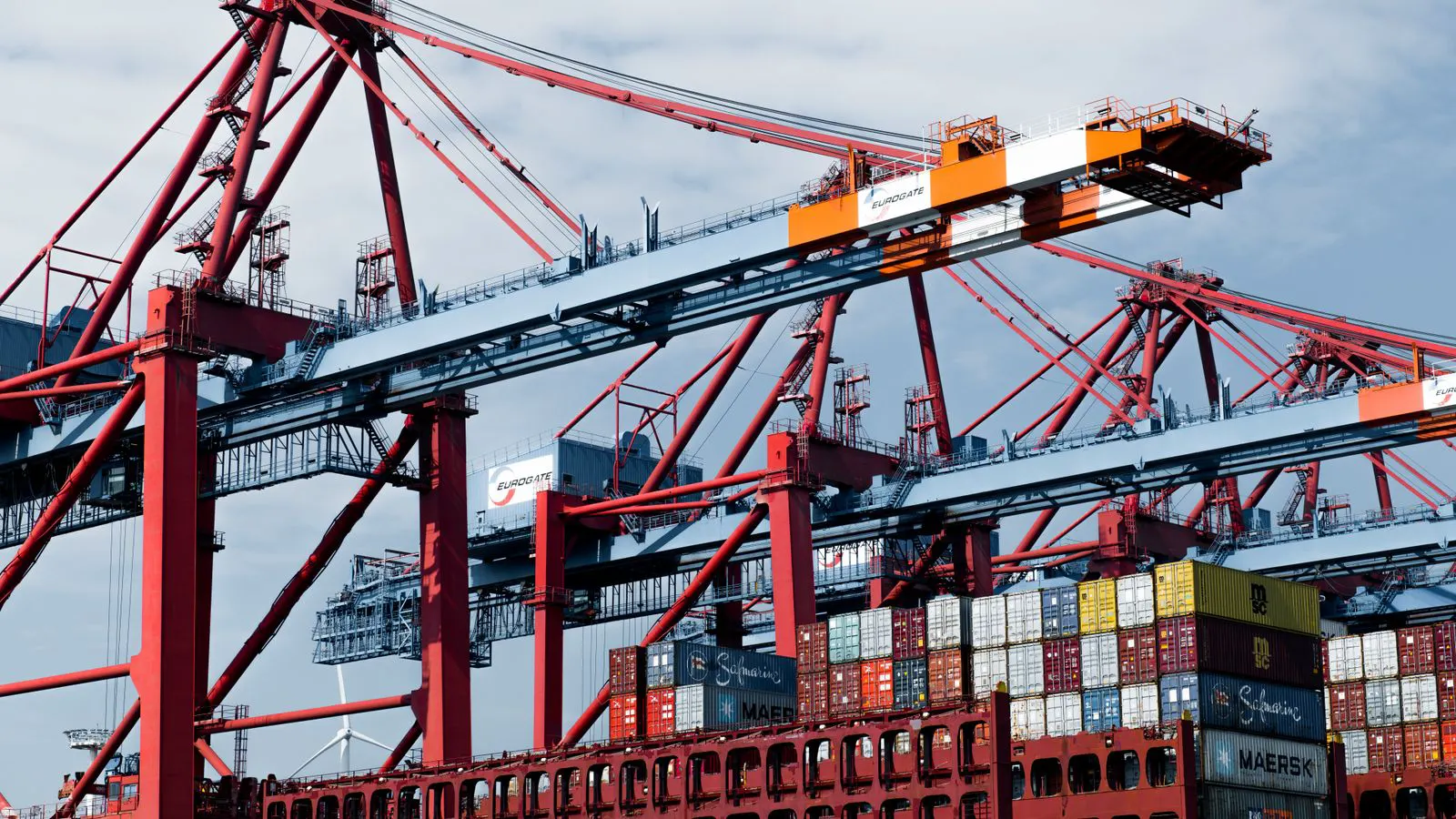
Shipping method is the second major driver. Ocean freight is the cheapest option for bulk orders but the slowest. Air freight is faster but costs significantly more. The choice depends on your project deadline and the value of the cargo. A delay of two weeks on a large installation can cost more in labor and downtime than the premium for air freight.
Customs duties vary by country. Some regions impose higher taxes on electronic displays. You need to check the Harmonized System code for your specific product. Mistakes here lead to unexpected costs at the border. Clear documentation prevents delays and extra fees.
Inland delivery adds another layer. Moving a container from the port to your site requires specialized handling. Video walls are heavy and fragile. Standard trucks may not suffice. You need a flatbed or a crane for offloading. This cost is often overlooked in initial quotes.
How to Write a Clear RFQ
A vague Request for Quotation produces vague answers. If you ask for a price without specifying details, suppliers will quote the cheapest option or add hidden costs. You need to provide a complete specification.
Start with the panel type. State whether you need fixed or modular LED. Include the resolution, brightness in nits, and pixel pitch. Specify the operating temperature range if the installation is outdoors. List any required accessories like cabinets, power supplies, or control boards.
Next, define the quantity. Give a minimum and maximum range if you are unsure. This helps the factory plan production and shipping. State the target delivery date. If your project has a hard deadline, say so. Mention the destination port and city. This allows the supplier to calculate freight accurately.
Finally, state the Incoterms. If you want the price to include shipping to your port, ask for FOB or CIF. If you want control over the shipping process, ask for EXW. Clarify who pays for insurance and customs clearance. A clear RFQ reduces back and forth. It also helps you compare quotes from different led manufacturer options fairly.
How to Compare Quotes Fairly
Suppliers often quote different terms. One might quote the panel price only. Another might include shipping. A third might include customs brokerage. You cannot compare these numbers directly. You need to normalize them.
Create a spreadsheet. List each quote in a row. Break down the costs into columns. Panel price, freight, insurance, duties, and inland delivery. If a supplier does not provide a breakdown, ask. If they refuse, treat it as a red flag. Hidden costs are common in low-quality quotes.
Check the Incoterms for each quote. Convert everything to the same term. If Supplier A quotes FOB and Supplier B quotes CIF, you need to add the freight and insurance cost to Supplier A’s price to match Supplier B. This makes the comparison meaningful.
Look at the payment terms. Some suppliers require a 100 percent deposit. Others ask for 30 percent upfront and 70 percent before shipment. This affects your cash flow. A lower price with a high deposit requirement may be riskier than a higher price with standard terms.
Check the warranty terms. A cheap panel with a one-year warranty is different from a premium panel with a three-year warranty. Factor the potential cost of replacement parts into your calculation. A small price difference may not matter if one panel fails within the first year.
Typical Lead Times for International Buyers
Lead time is the sum of production, quality check, and transit. It is not just the shipping duration. You must add the time it takes the factory to build the order.
Production time depends on the order size and complexity. Standard panels may take two to three weeks to assemble. Custom cabinets or special brightness levels can take longer. If you need a specific color temperature or a custom logo, the timeline extends.
Quality check is a separate phase. A good supplier performs internal testing before packing. This includes pixel testing, brightness uniformity checks, and cabinet integrity tests. This process takes one to two weeks. Skipping this step leads to defective panels arriving at your site.
Transit time varies by route. Ocean freight from Asia to Europe can take three to five weeks. To North America, it may take two to four weeks. To the Middle East or Africa, it is often faster due to shorter distances. Air freight takes three to seven days.
Port delays are a real risk. Container availability, customs clearance, and terminal congestion can add days or weeks. You should build a buffer into your project schedule. A two-week buffer for ocean freight is a common practice. It protects your installation timeline from unexpected delays.
Cost Drivers Table
The table below lists the main factors that affect your total cost. It helps you identify where to save money and where to spend.
| Cost Driver | Impact on Price | Impact on Lead Time | Notes |
|---|---|---|---|
| Panel Resolution | Higher resolution costs more | No direct impact | 4K or 8K panels are premium |
| Shipping Method | Ocean is cheap, air is expensive | Air is fast, ocean is slow | Ocean saves money but takes weeks |
| Quantity | Bulk orders lower unit price | Larger orders take longer to ship | Minimum order quantity matters |
| Customs Duties | Varies by country and code | Delays at border | Check HS codes before shipping |
| Inland Delivery | Flatbed or crane required | Adds days to transit | Standard trucks may not fit |
How to Verify Supplier Capability
A low price is only useful if the supplier can deliver on time and with quality. You need to verify their actual production capacity. Do not rely on marketing brochures.
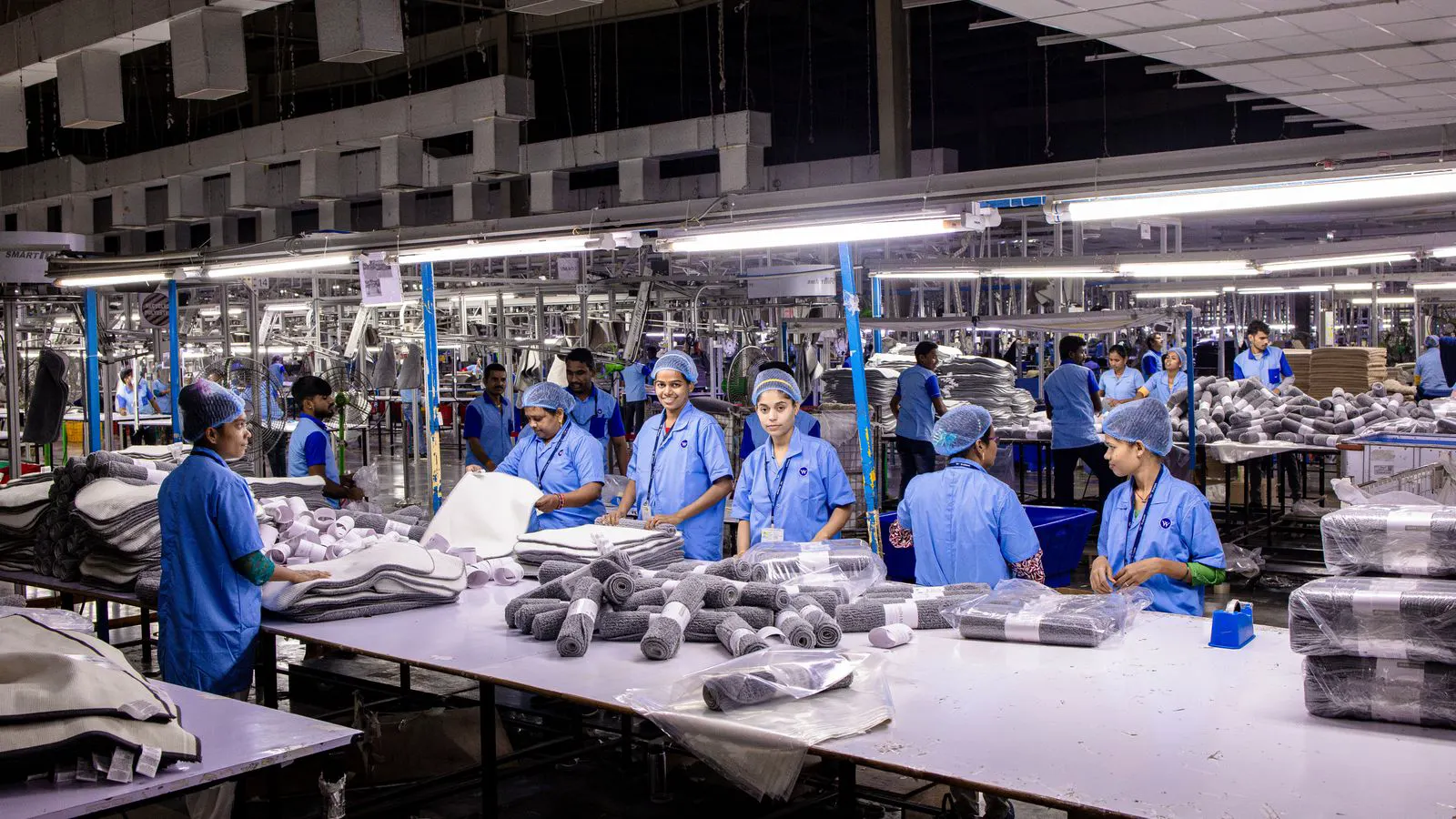
Ask for photos of their factory floor. Look for assembly lines, testing stations, and storage areas. A legitimate led manufacturer has a dedicated testing lab. They test every panel before it ships.
Request a sample. Pay for a single panel or a small test set. Check the panel in your own environment. Look for pixel failures, color shifts, and cabinet defects. This is your best opportunity to verify quality before committing to a full order.
Check their track record. Ask for references from clients in your region. Talk to them. Ask about delivery times and after-sales support. Did the supplier respond quickly if a panel failed? This tells you a lot about their long-term support.
Final Checklist Before You Sign
Before you sign a purchase order, run through this list. It ensures you have covered all critical points.
- Verify the total landed cost. Make sure all fees are included.
- Confirm the Incoterms. Know who is responsible for shipping and insurance.
- Check the lead time. Add a buffer for port delays.
- Review the warranty terms. Know what is covered and for how long.
- Confirm the quality check process. Ask how they test the panels.
- Verify the payment terms. Ensure they match your cash flow.
- Keep all documentation. Save the contract, invoice, and packing list.
A clear process protects your investment. It reduces the risk of delays and defects. It also helps you manage your budget. You will know exactly what you are paying for and when you will receive the goods.
Frequently asked questions
What is the difference between FOB and CIF?
FOB means the supplier handles export and the buyer handles shipping. CIF means the supplier handles shipping and insurance to the destination port.
How long does ocean freight from Asia take?
Ocean freight to Europe takes three to five weeks. To North America, it takes two to four weeks. To the Middle East, it is often faster.
Can I compare quotes with different Incoterms?
Yes, but you must normalize the costs. Add the freight and insurance to the FOB price to match the CIF price.
Is it worth paying for air freight?
Only if your project has a hard deadline. Air freight is expensive but much faster than ocean freight.
How do I verify a supplier's quality?
Request a sample panel and test it yourself. Ask for photos of their testing lab and check their references.