Explainer: What 'Factory Direct' Really Means in LED

Factory direct means the source controls key production steps. Trading houses source from others. Knowing the difference protects quality, warranty, and lead time.
- Factory direct means the company owns or tightly controls key production processes.
- Trading houses can offer flexibility but may add layers between you and the source.
- Verify ownership of production, QC, and warranty terms before signing.
- Use site visits, documents, and sample testing to confirm the supplier model.
- A hybrid model can work if roles are defined clearly in writing.
What the phrase actually covers
“Factory direct” is used loosely. In some cases it means the supplier owns the production line. In others it means they can get you a lower price because they buy from a factory. The phrase does not guarantee quality, speed, or honesty by itself.
For a buyer, the core question is simple. Who controls the parts, the assembly, the testing, and the warranty? If the answer is a single company with clear accountability, you are closer to a true factory. If several parties are involved, you need a written structure that protects you.
In many LED display projects, the line between these two models blurs. A company might own the final assembly hall but outsource the pixel board manufacturing to a third party. It might own the drivers but contract the optical assembly. Each of these splits creates a potential gap in accountability. When a failure occurs, that gap becomes the first place you look for the cause.
Consider a situation where a trading house sells a large fixed installation to a venue. The venue later discovers that a section of the display has failed due to a specific driver defect. The trading house says they only handle sales and logistics. They point you to the factory. The factory says the drivers came from a sub-supplier. The sub-supplier has no records for that specific batch. The venue is left holding the cost and the delay. This is what happens when the phrase “factory direct” is used without checking the actual chain of control.
The key is to look past the marketing label. You need to identify the exact entity that performs the critical manufacturing steps. Is it the same entity that signs the purchase order? Is it the same entity that handles the warranty claim? If not, the risk is transferred to you.
How true factories differ from trading houses
A true factory usually owns the main production assets. This can include the LED driver production area, the PCB assembly line, the pixel board manufacturing, and the final pixel testing. The company also keeps the main records for each batch.
A trading house typically does not own those lines. They identify factories, negotiate purchase orders, and move product to buyers. Some trading houses add value through design, logistics, or regional support. Others act as a pass-through. The difference is not always visible in a brochure.
The table below shows how the two models usually differ.
| Factor | True factory | Trading house |
|---|---|---|
| Production ownership | Owns or tightly controls key lines | Sources from multiple factories |
| Batch records | Internal traceability | Depends on factory records |
| Warranty handling | Direct from source | Relies on factory agreement |
| Change control | Internal engineering | Negotiated with source |
| Lead time | Usually more predictable | Can vary by source |
| Price transparency | Based on own cost structure | Based on supplier margins |
In practice, the distinction often comes down to the depth of technical integration. A true factory has engineers on site who understand the specific failure modes of the modules they build. They can look at a failed pixel board and identify whether the issue was a soldering defect, a component tolerance, or a design flaw. A trading house may have technical staff, but their job is often to relay information rather than diagnose it.
This matters for custom projects. If you need a non-standard bezel, a specific mounting method, or a modified control interface, a true factory can often modify the tooling or the assembly process. A trading house must negotiate those changes with the source factory. This adds time and introduces the risk of miscommunication.
How the model affects sourcing decisions
The supplier model changes what you should ask for. With a true factory, you can request batch-level QC reports, internal test logs, and direct engineering contact. With a trading house, you need clearer documentation from the source factory.
This matters when you are buying a large fixed installation. A pixel failure in a public venue is not just a cost issue. It can cause a visible gap in the display, a warranty dispute, or a schedule delay. If the supplier cannot show the exact batch, the exact test method, and the exact warranty path, the risk moves to you.
It also affects upgrades. If the supplier is a trading house and the source factory changes, your spare parts, control firmware, and repair support may become harder to match. A true factory usually has a longer continuity path, but that is not guaranteed either.
For example, consider a shopping mall that installs a large LED facade. The project runs for five years. During that time, the mall needs to replace several modules due to wear and tear. If the original supplier was a trading house that has since changed its primary manufacturing partner, the new modules might have slightly different optical characteristics or different control protocols. The mismatch can cause flickering or brightness inconsistencies. The original supplier might claim the issue is with the new parts, but the buyer has already paid for the initial installation.
With a true factory, you can often order spare parts that are made from the same production line as the original installation. You can request that they match the specific batch of drivers used in the facade. This continuity reduces the risk of visual discrepancies.
A worked example in plain words
Imagine a buyer needs a 6-meter by 4-meter fixed LED wall for a stadium. The buyer asks three suppliers.
Supplier A says it is factory direct. During the visit, the buyer sees the pixel board line, the driver assembly area, and the final testing bay. The supplier provides batch test reports, a spare parts list, and a direct warranty contact. The buyer can inspect the same line used for the order.
Supplier B says it is factory direct. The buyer sees a small office and a warehouse. The production is at a third party. The supplier can provide a factory name, but not batch test records. The warranty is issued by the supplier, but repairs require return to the unknown source.
Supplier C is a trading house. It is honest about that. It sources from two factories for different modules. It provides a written quality agreement with the source, a named contact at each factory, and a local service plan. The buyer accepts this because the written structure covers the risk.
The result is not that one model is always better. The result is that the buyer can make a decision based on control, documentation, and accountability.
In the case of Supplier A, the buyer has direct access to the engineering team. If the stadium faces a power fluctuation issue, the factory’s engineers can review the power supply logs directly. They can recommend specific driver models that are more stable under those conditions. The communication is fast and technical.
With Supplier B, the buyer is stuck in the middle. If a driver fails, the buyer has to send it back to the factory. The factory has to diagnose it. If the factory cannot determine the cause, they may reject the claim. The buyer has to manage the logistics, the inspection, and the dispute. The time cost is high.
Supplier C offers a compromise. The buyer trusts the trading house because the trading house has put a quality agreement in place. The agreement states that if a module fails, the trading house is responsible for the repair, even if the fault is with the source factory. The trading house has a local service plan, meaning they have technicians who can come to the stadium. The buyer does not need to send parts across the country. This structure transfers the risk back to the supplier, which is what the buyer wanted.
What to check before calling someone a factory
Do not rely on the word “factory” in the company profile. Check the physical and administrative evidence.
- Ask for the exact production site address and the legal name of the entity that operates it.
- Request a batch traceability sample, such as a pixel board serial number and its test log.
- Ask who performs final visual inspection and who signs off on the shipment.
- Confirm whether the warranty is issued by the production entity or by a separate distributor.
- Check whether the supplier can provide spare parts from the same production batch for at least one season.
These checks are not formal certifications. They are practical tests. A supplier that can answer them quickly is easier to work with. A supplier that avoids them is sending a warning.
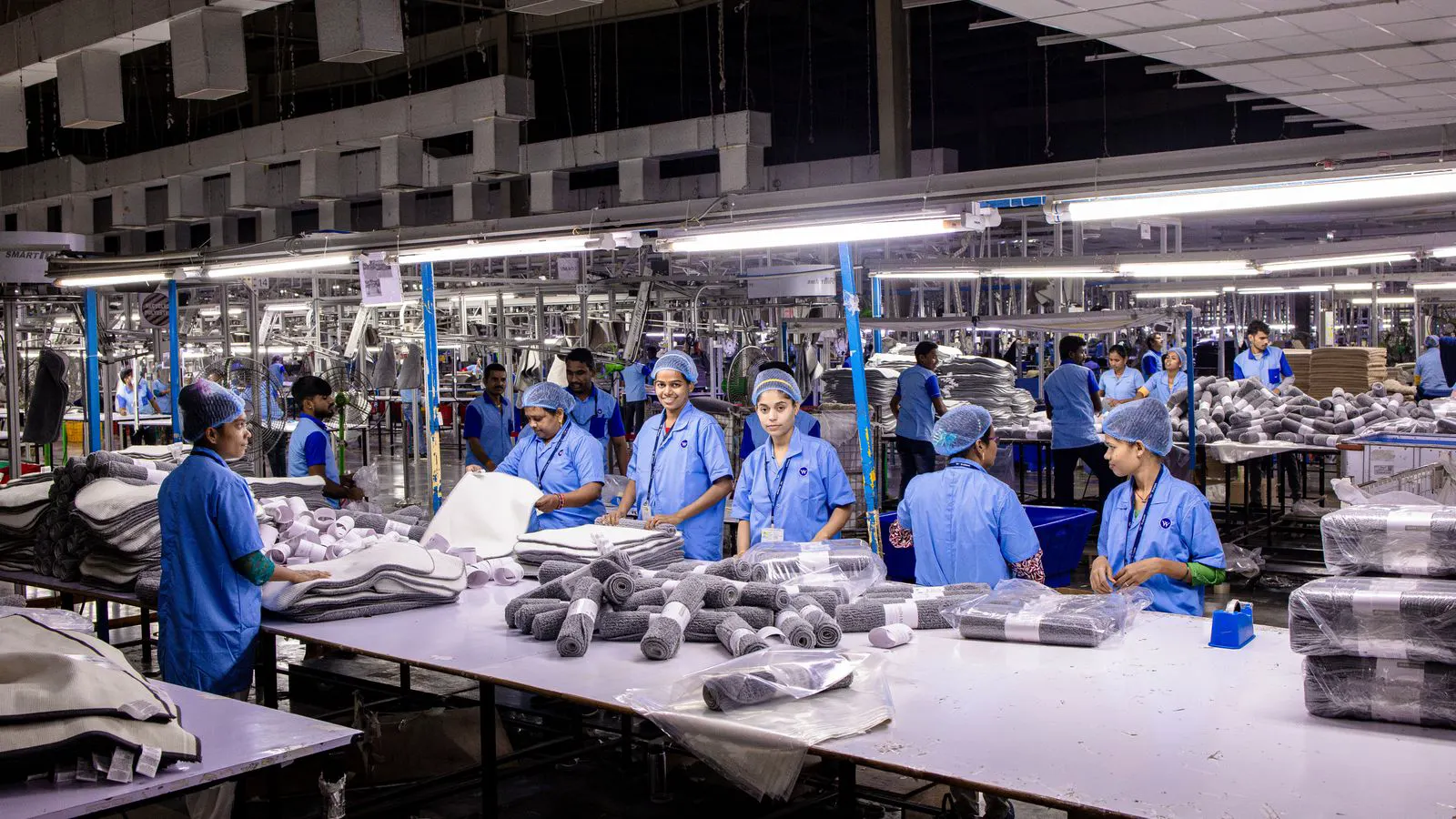
When you visit a facility, look at the layout. In a true factory, you will see the flow of materials. You will see the raw LED chips moving into the packaging line. You will see the PCBs moving into the assembly area. You will see the finished modules moving into the testing bays. The physical flow is a clear indicator of control.
In a trading house, you will often see a small production area, perhaps for simple assembly or packaging, but the main components arrive in finished form. You might see a warehouse full of modules from different brands. This is a sign that the company is aggregating products rather than manufacturing them.
Also, check the legal documents. Ask for the contract between the trading house and the source factory. If the trading house refuses to share this, or if the contract is vague, it is a red flag. You need to know who is legally responsible for defects. If the trading house is just a sales agent, the warranty might be void if the source factory goes out of business.
How to structure the relationship if the model is mixed
Some buyers end up with a mixed model. The supplier is a trading house, but it has a long-term agreement with a factory. That can work well if the terms are clear.
Put the following in writing:
- The exact factory name and location for each module type.
- The QC standards and test methods for each order.
- The warranty terms, including response time and repair responsibility.
- The spare parts supply plan for the installation life.
- The process for engineering changes, firmware updates, and design revisions.
A clear structure reduces the risk that the supplier model becomes a black box. It also gives you a path if the trading house changes hands or the factory changes its production lines.
For instance, if you are buying a large number of modules for a temporary event, the trading house might source from multiple factories to meet the deadline. This can be efficient. However, you must ensure that all modules come from the same quality standard. If one factory uses a different type of LED chip, the brightness will vary across the display.
In your contract, specify that all modules must meet the same lumen, color, and driver specifications. You can require that the trading house provide a consolidated test report for the entire order, not just individual factory reports. You can also require that the trading house holds a small reserve of spare parts from each source factory. This ensures that if one factory fails, you still have spares available.
How this connects to other sourcing decisions
The supplier model affects your choice of panel type, control system, and service plan. A true factory may be easier to manage for a large fixed project because it can support engineering changes at the source. A trading house may be easier for a small pilot because it can source multiple options quickly.
If you are comparing suppliers, put the model in the same row as price, lead time, and warranty. Do not treat it as a footnote. The model determines who can fix a problem, who can explain a failure, and who can keep the project on schedule.
The final judgment comes from evidence, not labels. A true factory is not automatically better. A trading house is not automatically worse. The buyer needs the right level of control for the project size, the installation environment, and the support plan.
Frequently asked questions
Is a trading house always worse than a factory?
No. A trading house can be a good partner if it provides clear documentation, quality agreements, and local support. The risk is low visibility into the source.
How can I tell if a supplier owns its production line?
Ask for the production address, batch test logs, and the entity that signs the warranty. A site visit to the actual assembly area is the strongest check.
What happens if the trading house changes its source factory?
You may face mismatches in spare parts, firmware, and QC. This risk is reduced when the written agreement defines the source and the change process.
Should I only buy from a factory with a long warranty?
Warranty length is one factor. The quality of the warranty matters more. Check who handles the claim, how fast the response is, and whether parts are available.
Can a small supplier be factory direct?
Yes. The size of the company is less important than whether it controls the key production steps and can show the records for each batch.