LED Supplier Outlook: How AI Is Changing Factory QC
AI is moving led quality check from manual sampling to continuous, data-driven verification. This changes how buyers must evaluate an led supplier, requiring new checks on audit access, failure analytics, and traceability.
- AI is shifting led quality check from random sampling to continuous, data-driven verification of every unit.
- Buyers must now demand access to QC data logs, not just the final pass/fail report.
- The line between an led manufacturer and an assembler is blurring; buyers must verify where the actual defect detection happens.
- Traceability is the new baseline. Every pixel and driver board should be linked to its production record.
- Prepare for a longer evaluation cycle. The five-point supplier audit has expanded to include data architecture.
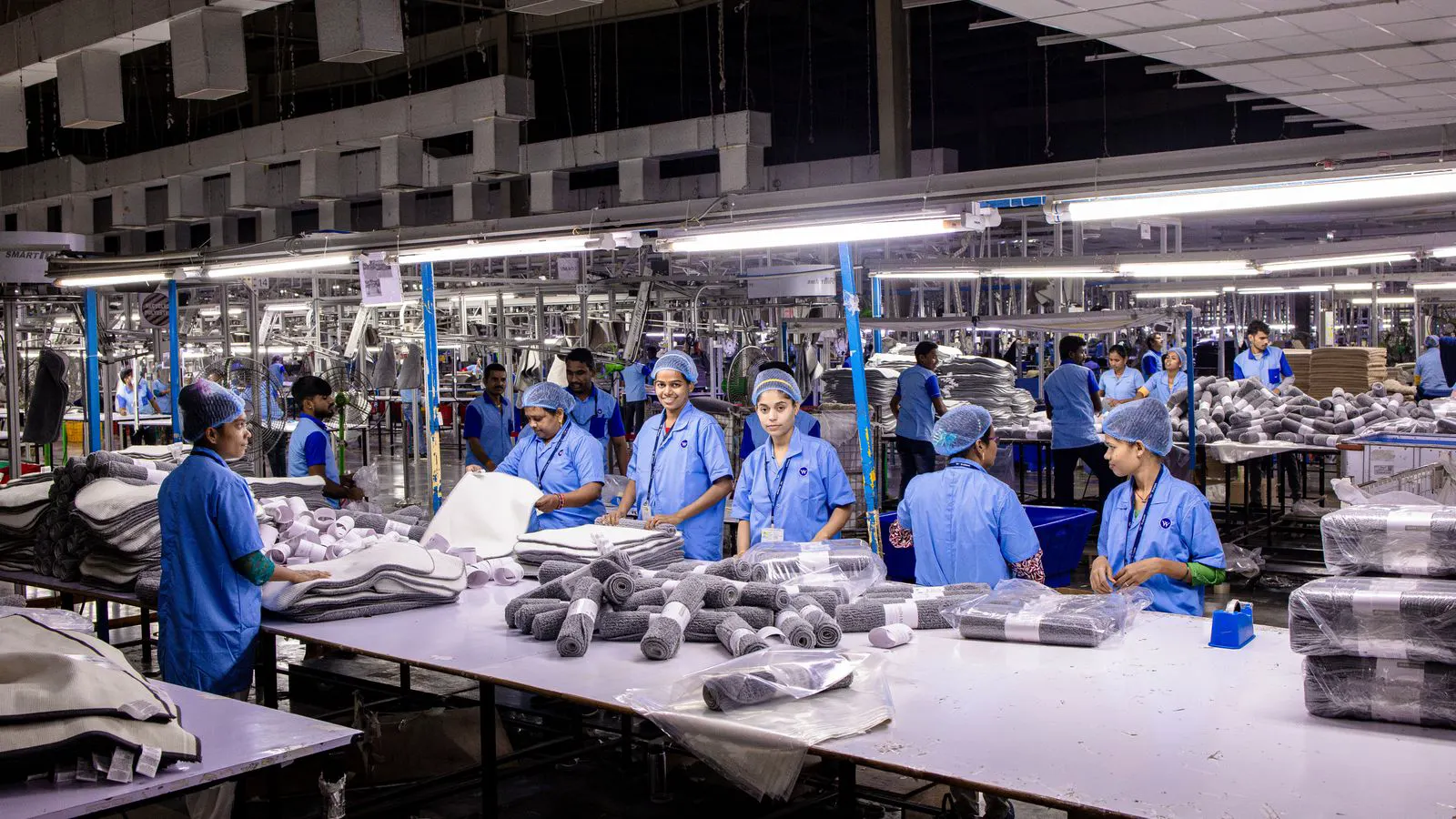
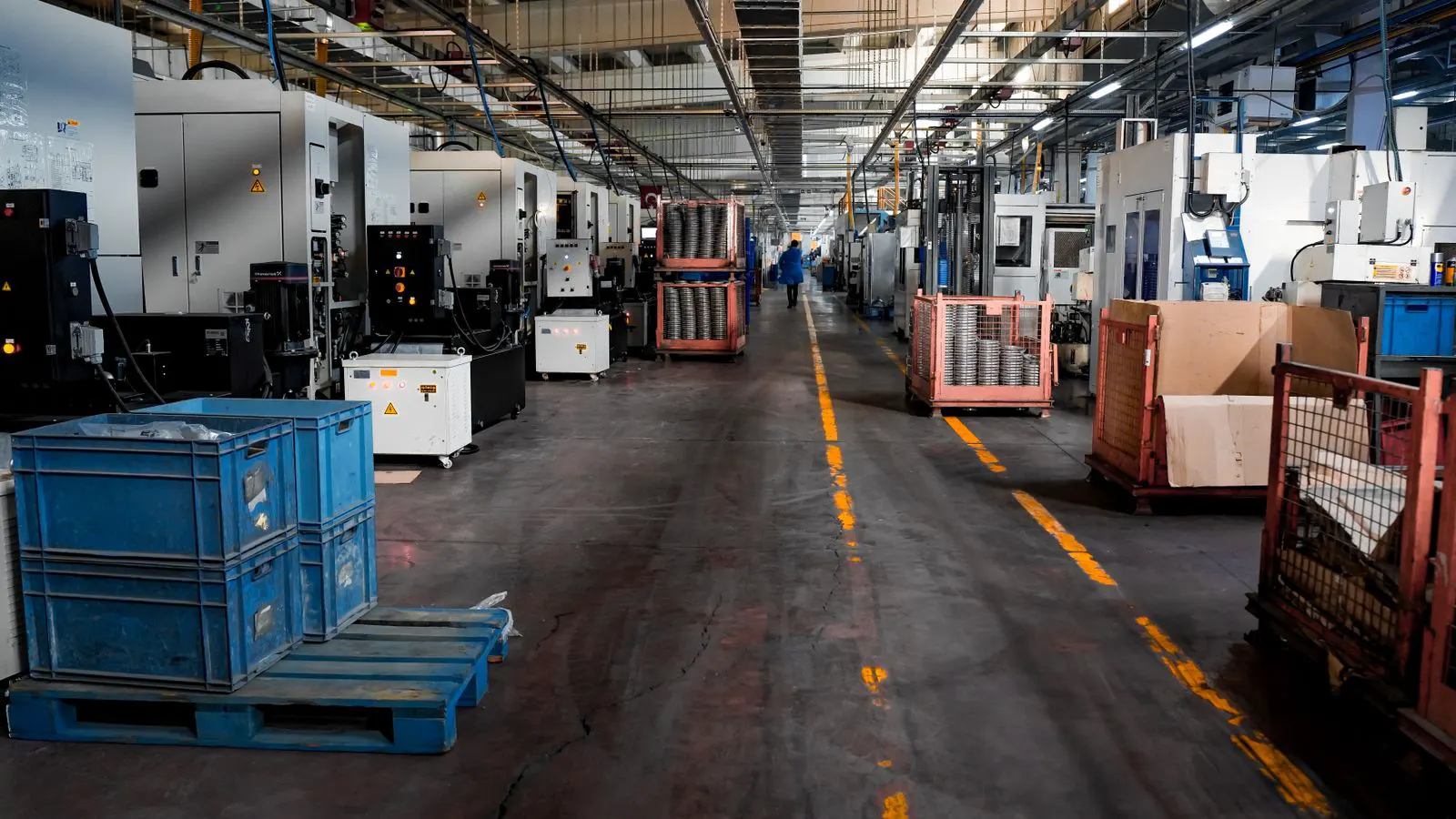
The factory floor has changed. The manual inspector walking the line with a flashlight and a handheld tester is being replaced by a camera array that flags a dead pixel before the panel even reaches the final assembly station. For the buyer, this is not just a technical upgrade. It is a fundamental shift in how you can verify that an led manufacturer is actually doing their job. The old method of checking a sample of five or ten units no longer proves the quality of five hundred. The new method, driven by AI-driven led quality check systems, requires you to look at the data behind the unit, not just the unit itself. This article outlines the shifts you need to plan for.
What does “AI QC” actually do on the line?
When a supplier mentions AI in their quality control process, it usually refers to two things: machine vision for visual defects and anomaly detection for electrical performance.
Machine vision systems use high-resolution cameras and pattern recognition software to scan the entire surface of a display. They look for things the human eye misses, like a micro-scratch on a lens, a hair trapped under a bezel, or a subtle color shift in a single sub-pixel. The software is trained on thousands of known good and bad images. It does not guess. It compares.
Anomaly detection handles the electrical side. As a panel is powered on for testing, the system measures the voltage, current, and response time of every pixel and every driver board. A human tester might spot a flicker. The system catches the 0.5 millivolt variance that will cause that pixel to burn out in three months. It flags it, tags it, and routes the panel to a repair station automatically.
The result is that the led quality check is no longer a gate at the end of the line. It is a continuous process happening in parallel with the assembly.
Shift 1: From Sample Pass Rate to 100% Data Verification
The traditional model was simple. A supplier ships a container of 500 panels. You receive a certificate of conformity stating a 99.5% pass rate. You take a sample of ten panels, test them, and if they work, you sign the delivery note.
The new model changes the contract. You are no longer just buying a sample. You are buying a dataset.
A competent supplier now has a digital log for every single unit that leaves the factory. This log includes the date of manufacture, the serial numbers of the driver boards, the results of the electrical test, the visual inspection images, and the calibration values. When you receive a panel, you can scan its serial number and see its entire history.
This is the new baseline for an led supplier evaluation. If a supplier cannot show you this data, they are not using the system. They are just selling a label.
Shift 2: The Definition of “Manufacturer” Is Expanding
For years, the line between an led manufacturer and a trading company was drawn at the point of assembly. The trading company would buy LED modules from a factory, put them into a cabinet, and ship them. They were not the manufacturer because they did not make the pixels.
AI QC is blurring this line. Because the test data is now tied to the final assembly, the company that performs the final calibration and packaging is effectively the quality owner. If the data shows a defect that the original module factory missed but the assembly line caught, the assembly company is responsible for the fix.
This means you must ask who owns the data. If you buy from a brand that does not have its own factory, ask them to show you the QC logs from the partner factory. You need to see if the data is integrated into their system or if it is a separate PDF that was generated after the fact.
| QC Metric | Old Standard | New Standard |
|---|---|---|
| Inspection Method | Manual sampling | 100% automated vision and electrical test |
| Defect Record | Pass/Fail on paper | Digital log with timestamp and operator ID |
| Traceability | Batch number | Unique serial per panel and driver board |
| Buyer Verification | Physical test of samples | Review of raw QC data and calibration files |
| Failure Analysis | Post-sale guesswork | Predictive analysis based on test variance |
Shift 3: Warranties Are Backed by Data, Not Good Faith
When a warranty claim arises, the old process was a conversation. You sent photos. They said it was a user error. You sent more photos. They said it was out of warranty.
With AI-driven QC, the warranty claim process becomes forensic. The supplier has the original test data for that specific serial number. If the pixel failed in a way that was already flagged in the initial test but was not corrected, the data proves it. If the pixel was within the acceptable tolerance at the time of shipping, the data supports the supplier’s position.
This changes the negotiation. You are not arguing feelings. You are looking at the voltage curve from the day the panel left the factory. As a buyer, you should ask your supplier how they handle warranty claims now that they have this data. Do they use it to identify systemic issues? Do they share the failure trend report with you?
A top-tier led manufacturer will use this data to identify a bad batch of driver boards before it reaches your warehouse. They will call you and say, “Batch 42 has a 0.2% failure rate in the blue sub-pixels. We are pulling them from inventory. Do you want to swap them?” This is a significant shift from the old model where you would find the defects after installation.
Shift 4: The Audit Checklist Must Include IT Infrastructure
Your old supplier checklist focused on the physical factory. You looked at the lighting, the cleanliness of the soldering station, and the training of the workers. Those are still important. But they are no longer sufficient.
You now need to audit the IT infrastructure.
Ask to see the interface where the QC data is stored. Is it a local server? A cloud platform? Can you access it as a client? If the data is locked behind a proprietary software that only their engineers can open, you have no real verification. You are trusting their word.
The new checklist includes:
- Data Retention Policy: How long do they keep the QC logs? The answer should be at least the length of the warranty plus a buffer.
- Access Rights: Can you, the buyer, view the raw data for your specific order?
- Integration: Is the QC system integrated with the ERP? If a panel fails, does it automatically stop the assembly line, or does it just flag it for a human to notice later?
- Model Versioning: How often is the AI model updated? If the model was trained on 2024 data, does it still accurately detect the new types of defects in 2026?
Shift 5: Predictive Maintenance Becomes a Supplier Service
The ultimate shift is that the supplier is no longer just a vendor of hardware. They are a provider of risk management.
Because they have the data from every pixel on every panel they have ever shipped, they can predict when a specific type of defect is likely to occur. If they notice a trend in the voltage drop of a specific driver board model, they can warn you before the failures happen on your site.
This is a service you should demand. When you are evaluating an led supplier, ask if they provide a monthly failure trend report. Ask if they offer a proactive replacement program for panels that show early signs of degradation.
If they do, they are operating as a partner. If they do not, they are just a factory that happens to have cameras.
How to Prepare Your Procurement Team
Your team needs new skills. The person who used to just check the physical dimensions of the cabinet now needs to understand basic data analysis. They need to know what a calibration file is. They need to know how to interpret a voltage variance chart.
You should request a demo before you sign the contract. Ask the supplier to walk you through the QC system. Show you the live feed. Show you how a defect is flagged. If they cannot do this, walk away.
Also, update your contract language. The old contract said “goods shall be free from defects.” The new contract should say “goods shall be accompanied by a digital QC log showing 100% pass on all defined parameters.”
The led quality check is no longer a hidden process. It is the product. You are buying the data as much as you are buying the screen. Make sure your supplier is ready to deliver it.
Frequently asked questions
Can I trust a supplier who says they use AI QC but cannot show me the data?
No. If they cannot provide access to the QC logs or a live demo of the system, the claim is likely marketing. The value of the system is in the data, not the label.
Does this apply to small suppliers as well?
It is becoming common even for smaller suppliers, but the implementation varies. A small supplier might use a local software suite while a large manufacturer uses a cloud platform. The standard is the same: you need access to the data.
How does this affect the warranty process?
It makes it faster and more objective. Claims are resolved based on the original test data rather than post-sale guesswork. This reduces disputes and speeds up replacements.
Do I need to change my inspection procedures?
Yes. You should reduce the number of physical samples you test and instead verify the digital QC logs for every unit. This saves time and gives you a complete picture.
What is the biggest mistake buyers make right now?
They still use the old checklist. They look at the factory and sign the order without checking the data infrastructure. This leaves them exposed to quality risks that the new systems are designed to prevent.